
When negative content appears in Google search results, many people immediately think about removal. In some cases, removal may be possible. But often, negative results cannot be deleted simply because they are damaging, outdated, unfair, or incomplete.
That is why SEO reputation management often focuses on suppression.
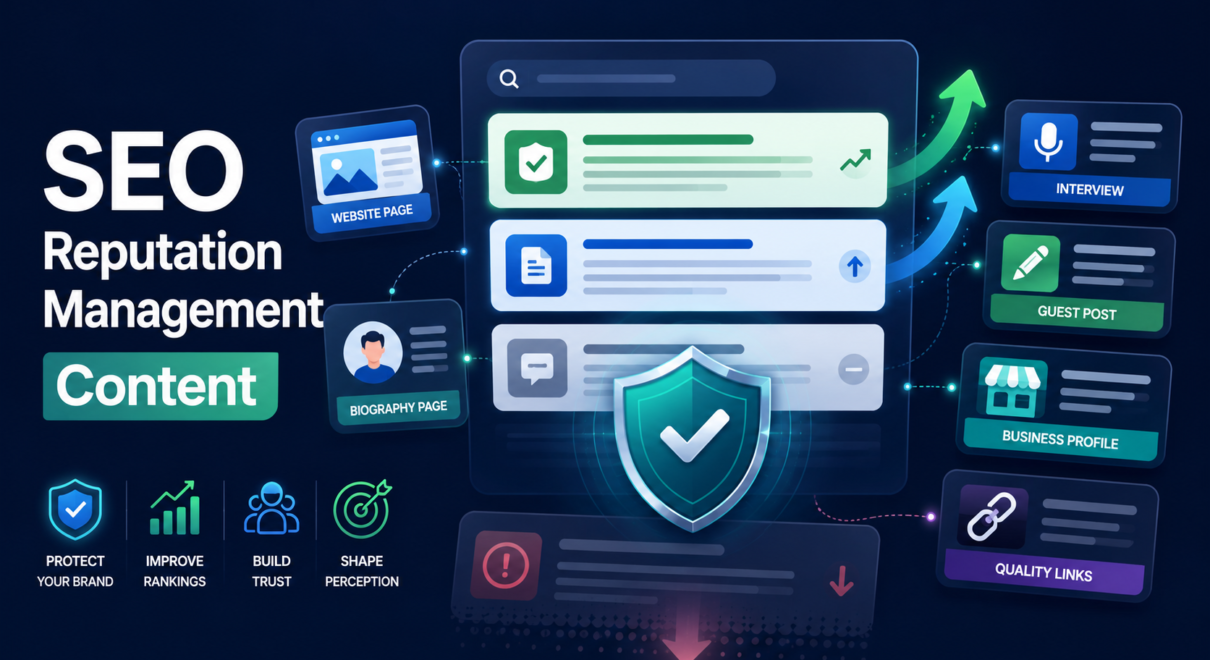
Suppression means reducing the visibility of negative results by helping stronger positive or neutral content rank above them. The negative page may still exist, but it becomes less prominent when other credible assets occupy the top positions.
This is where SEO reputation management content becomes important.
The right content can help create a stronger branded search presence around a person, company, founder, executive, or brand. This may include optimized bios, interviews, guest posts, press releases, personal or company profiles, branded blog content, authority pages, third-party mentions, content hubs, and social or business profiles.
However, not every piece of content can push down negative search results. A short press release, thin profile, generic blog post, or weak social page may not be strong enough to compete. Effective reputation management SEO content needs to be relevant, credible, optimized, indexable, and supported by authority signals.
This article explains what types of content can help push down negative search results and how those assets fit into an online reputation management SEO strategy.
Why Content Matters in Search Result Suppression
Google needs pages to rank.
If negative content appears on page one for a person, company, founder, executive, or brand, it often means there are not enough stronger positive or neutral assets competing for that search query.
Search suppression works by creating and strengthening better options.
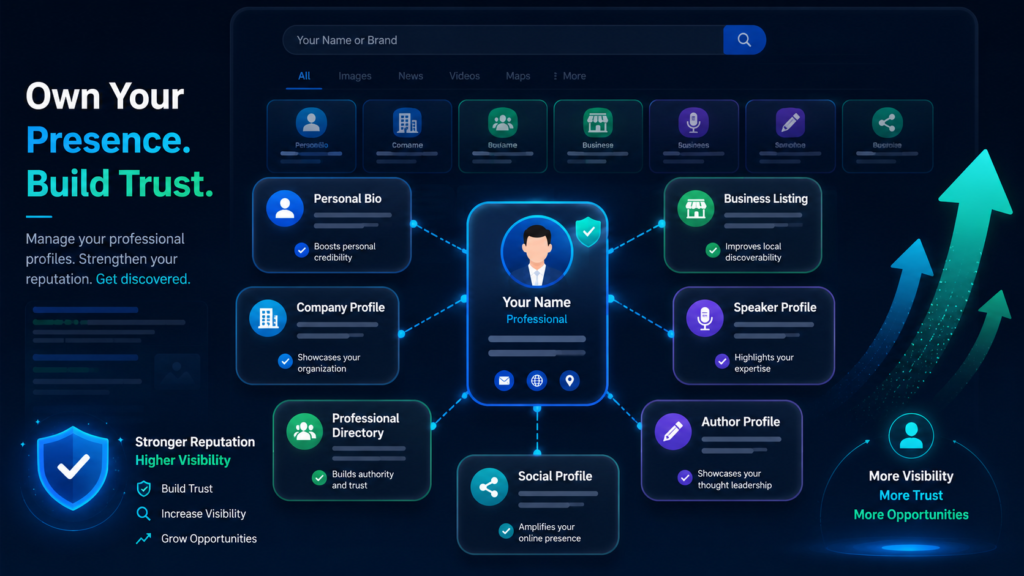
These options may include:
- official website pages
- personal bios
- company profiles
- executive profiles
- interviews
- guest posts
- PR-style articles
- press releases
- business listings
- professional directory profiles
- case studies
- podcast appearances
- social profiles
- author pages
- thought leadership content
The purpose is not to flood the internet with random content. The purpose is to build a more complete and credible search presence.
If the content is useful, relevant, and properly optimized, it has a better chance of ranking. If multiple positive or neutral assets rank above the negative page, the damaging result can gradually move lower.
What Is SEO Reputation Management Content?
SEO reputation management content is content created or optimized to improve what appears in search results for a person, company, founder, executive, or brand.
Its purpose is different from general blog content. A normal blog article may target informational keywords, generate traffic, or support a service page. Reputation management content is more focused on branded search visibility.
It is designed to help positive, neutral, or brand-controlled assets rank higher for searches related to a name or brand.
This type of content may include:
- optimized bios
- interviews
- guest posts
- press releases
- personal profiles
- company profiles
- branded blog content
- authority pages
- third-party mentions
- content hubs
- social profiles
- business profiles
The goal is not to publish random positive content. The goal is to create content that can realistically compete in search results and help suppress negative results over time.
Strong reputation management SEO content should answer three questions:
- Is it clearly connected to the person or brand?
- Does it have enough quality and relevance to rank?
- Can it help occupy space above negative or outdated results?
When planned correctly, this content becomes part of a broader suppression strategy.
Start With a SERP Audit Before Creating Content
Before creating new content, start with a branded SERP audit.
A SERP audit reviews what currently appears when someone searches for the person, company, brand, founder, executive, or related branded query.
This audit should identify:
- which results are negative
- which results are neutral
- which results are positive
- which results are owned
- which results are third-party
- which assets already rank
- which assets are close to page one
- which negative results are strongest
- what type of content Google is currently ranking
- where new content opportunities exist
This step matters because the best content strategy depends on the search results.
For example, if Google is ranking profiles and interviews for a founder name, then more professional profiles, interviews, and leadership content may help. If Google is ranking company directories and third-party articles for a business name, then business profiles, guest posts, and PR-style assets may be more useful.
Content should be created based on what can realistically rank, not based on guesswork.
Official Website Pages and Brand-Controlled Assets
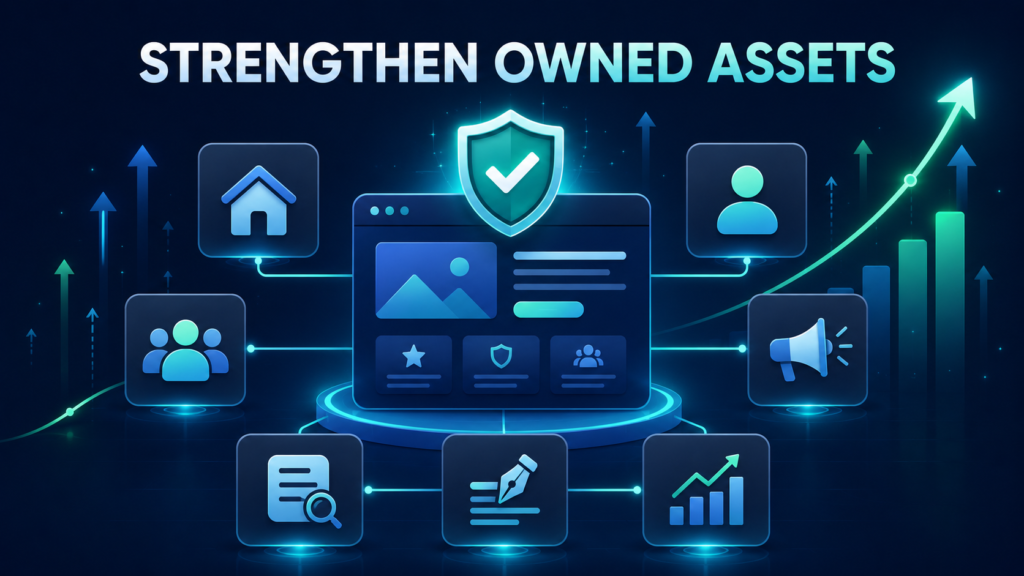
Owned website pages and brand-controlled assets are usually the foundation of reputation management SEO.
These are pages fully controlled by the person or business. They allow you to present accurate, current, and detailed information in your own voice.
Useful owned and brand-controlled assets may include:
- homepage
- About page
- leadership page
- personal bio page
- media page
- press page
- case studies
- company story page
- service pages
- author pages
- project pages
- portfolio pages
- branded blog content
For a business, the homepage and About page often matter most for branded search. These pages should clearly explain who the company is, what it does, who it serves, and why it is credible.
For an individual, a personal website or professional bio page can be very useful. It gives Google a clear owned asset connected to the person’s name.
Brand-controlled assets are especially important because they give you more control over the message. If negative or outdated results are shaping the first impression, your own pages should be strong enough to compete.
Owned pages should be optimized with:
- clear titles
- strong headings
- natural name or brand mentions
- detailed background information
- internal links
- trust signals
- updated content
- structured information
- crawlable and indexable setup
If owned pages are weak, thin, or outdated, it becomes harder to control branded search results.
About Pages and Biography Pages
About pages and biography pages are especially useful for reputation management.
When someone searches a company or personal name, they often want to understand who is behind the brand, what the person or company does, and whether they are credible.
A strong About or bio page can help answer those questions.
For a company, the About page may include:
- company background
- services or focus areas
- leadership information
- mission or values
- industry experience
- client types
- achievements
- media mentions
- links to important profiles
For an individual, a biography page may include:
- professional background
- current role
- expertise areas
- education or credentials where relevant
- career history
- projects
- publications
- interviews
- speaking appearances
- links to official profiles
This type of content helps build entity clarity. It tells search engines and users who the person or company is.
A strong biography page is especially useful when unrelated, outdated, or negative content appears for a personal-name search.
LinkedIn and Professional Profiles
LinkedIn profiles often rank well for personal names, executives, founders, consultants, and professionals. LinkedIn company pages can also rank for business names.
That makes LinkedIn useful in many suppression campaigns.
A strong LinkedIn profile should include:
- consistent name usage
- current title
- accurate company affiliation
- professional summary
- detailed experience
- relevant skills
- links to official websites
- professional photo
- current projects or achievements
For companies, LinkedIn pages should include:
- accurate company name
- website link
- business description
- logo
- industry category
- location where relevant
- services or specialties
- regular updates if appropriate
Other professional profiles can also help, depending on the industry. These may include speaker profiles, association pages, author profiles, directory listings, or expert profiles.
The key is completeness and consistency. Thin or abandoned profiles are less likely to help.
Interviews
Interviews can be powerful reputation assets because they create third-party content around a person or brand.
For individuals, interviews can highlight expertise, professional background, business philosophy, current projects, or industry opinions.
For companies, interviews can feature founders, executives, leadership teams, or company stories.
Interview content may appear on:
- industry blogs
- podcasts
- business publications
- founder profile websites
- niche media sites
- YouTube channels
- professional communities
- partner websites
Interviews work well because they are naturally connected to the person or brand being searched. They also tend to include names, titles, company mentions, and background information.
A strong interview can rank for a personal name, founder name, executive name, or company name.
To make interviews more useful for suppression, they should have:
- optimized titles
- clear name or brand mentions
- enough depth
- professional tone
- strong publisher domain
- internal or external links where natural
- indexable page structure
A weak interview on a low-quality site may not move the search results. A strong interview on a relevant platform can become a valuable positive asset.
Guest Posts and Contributed Articles
Guest posts and contributed articles are useful when they are published on relevant, credible websites.
They can help push down negative search results because they create third-party content associated with the person, company, or brand.
For individuals, guest posts can show expertise. For businesses, they can demonstrate authority in a niche or industry.
Useful guest post topics may include:
- industry insights
- professional advice
- business lessons
- educational guides
- founder perspectives
- trend analysis
- practical how-to content
- thought leadership topics
- case-based explanations
The article does not always need to be directly about the reputation issue. In many cases, it is better if the content builds credibility naturally.
For example, a founder can publish articles about entrepreneurship, industry challenges, leadership, technology, finance, marketing, real estate, healthcare, or another relevant field. A company can publish educational articles related to its services, market, or customer problems.
The article should include a natural author bio, company mention, or profile link so that Google connects it to the person or brand.
PR-Style Articles and Press Releases
PR-style content can help create search assets around positive developments.
This may include:
- company announcements
- new services
- partnerships
- awards
- community involvement
- leadership updates
- business milestones
- product launches
- event participation
- charity work
- expert commentary
Press releases can be useful, but they should not be treated as a complete solution by themselves.
Many press release pages are syndicated, thin, or short-lived in search visibility. They may help with indexing, mentions, and branded search support, but they often need to be part of a broader strategy.
PR-style articles can be more useful when they are:
- published on credible platforms
- written with real substance
- connected to a genuine event or story
- optimized for the brand or person
- supported with links
- not overly promotional
- not duplicated across many low-quality sites
The best PR content feels like a real brand asset, not filler content created only for suppression.
Company Profiles and Business Listings
Company profiles and business listings can help occupy branded search results, especially for businesses.
These assets may include:
- business directories
- industry directories
- partner profiles
- association listings
- startup databases
- vendor profiles
- marketplace listings
- local business listings
- professional organization pages
These profiles are often neutral, but that can still be useful. A neutral business profile ranking above negative content can help improve the overall search landscape.
Business profiles should be complete and consistent.
They should include:
- exact company name
- website URL
- business description
- logo
- category
- location or service area where relevant
- contact information where appropriate
- social links
- leadership details if useful
- consistent brand information
For businesses with limited online presence, profiles can help create additional search results connected to the brand.
Personal Brand Assets
For individuals, personal brand assets can be very important.
These may include:
- personal website
- professional biography
- LinkedIn profile
- author pages
- speaker profiles
- podcast guest pages
- interview pages
- portfolio pages
- association memberships
- alumni profiles
- expert directories
- published articles
- conference pages
Personal-name searches often behave differently from company searches. Google may show social profiles, directories, news articles, public records, images, videos, or unrelated people with similar names.
Personal brand assets help clarify the person’s identity and current professional presence.
They are especially useful for:
- founders
- executives
- consultants
- attorneys
- doctors
- investors
- creators
- public figures
- job candidates
- professionals with old online mentions
A strong personal brand footprint can help make outdated or irrelevant results less prominent.
Branded Blog Content
Branded blog content can support suppression when it is planned carefully.
This does not mean publishing random company updates. It means creating useful, well-structured content that supports the brand’s expertise, services, values, projects, leadership, or current activity.
For a business, branded blog content may include:
- company insights
- educational guides
- service explanations
- leadership commentary
- industry trends
- client-focused resources
- project updates
- community involvement
- case-based articles
- expert advice
For an individual, branded blog content may include:
- professional commentary
- industry insights
- published opinions
- educational articles
- project updates
- founder notes
- expert guides
- personal brand articles
This type of content can strengthen the official website and give Google more positive or neutral pages connected to the person or brand.
Branded blog content is especially useful when it connects naturally to other reputation assets, such as bios, media pages, interviews, guest posts, and third-party mentions.
Authority Pages
Authority pages are strong, detailed pages designed to show credibility around a person, company, topic, or brand.
They are different from thin profile pages or short announcements. They provide enough depth to deserve visibility.
Examples may include:
- detailed About pages
- leadership profile pages
- media pages
- press pages
- expertise pages
- case study hubs
- resource hubs
- personal biography pages
- company history pages
- founder story pages
- credentials or achievements pages
Authority pages can help with SEO reputation management content because they give search engines and users a reliable source of information.
For businesses, an authority page may explain the company’s background, services, leadership, results, and credibility. For individuals, it may explain professional history, expertise, projects, publications, and media appearances.
These pages should be internally linked, updated, and connected to other positive assets.
Case Studies and Success Stories
Case studies can support reputation management for businesses by showing real work, outcomes, and credibility.
They may not always rank directly for branded searches, but they can strengthen the owned website and support broader trust signals.
Case studies may cover:
- client success stories
- project outcomes
- before-and-after improvements
- service results
- industry-specific work
- partnerships
- business milestones
- problem-solving examples
For reputation SEO, case studies are especially useful when the company website needs stronger credibility. They can also support internal linking to About pages, service pages, leadership pages, and other important assets.
Case studies should be specific, clear, and credible. Generic claims are less useful.
Thought Leadership Content
Thought leadership content can help individuals and businesses build authority.
This type of content may include:
- industry analysis
- expert commentary
- trend reports
- opinion pieces
- educational articles
- market insights
- leadership lessons
- practical guides
- research-based content
- interviews with experts
For founders, executives, and professionals, thought leadership can help push positive expertise-driven assets into branded search results.
For businesses, it can support brand authority and create third-party mentions.
The best thought leadership content is not empty self-promotion. It should provide real insight and show expertise.
If the content is strong enough and published in the right place, it can become a valuable search asset.
Social Profiles and Video Platforms
Social profiles can appear in branded search results, especially for individuals, creators, public figures, and companies.
Useful platforms may include:
- X/Twitter
- YouTube
- TikTok
- GitHub
- Medium
- Substack
Not every platform is useful for every reputation case. The best platforms depend on the person, company, industry, and search results.
Social profiles should be complete, branded, and consistent. They should link to official assets where appropriate.
Video platforms can also help. A YouTube interview, presentation, webinar, company introduction, or podcast appearance may rank for a name or brand.
However, social profiles and videos usually work best as part of a broader suppression campaign. They should not be the only strategy.
Content Hubs
A content hub is a group of related pages or articles built around a person, company, expertise area, or brand topic.
For reputation management, content hubs can help strengthen the official website and create more positive search signals.
A company may build a hub around:
- industry expertise
- company updates
- leadership insights
- customer education
- case studies
- community involvement
- product or service guides
An individual may build a hub around:
- professional expertise
- articles
- interviews
- media mentions
- speaking events
- projects
- publications
Content hubs are useful because they show depth. Instead of one isolated page, the website demonstrates topical relevance and authority.
This can help owned assets rank more strongly for branded and professional searches.
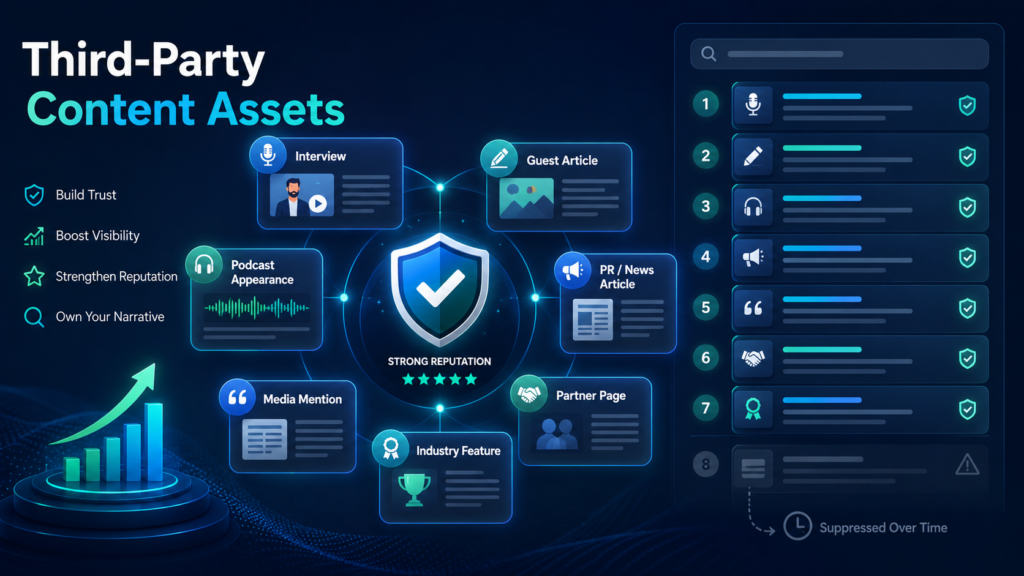
Third-Party Mentions
Third-party mentions are important because they can make branded search results look more credible and less dependent on owned content.
These may include:
- interviews
- guest articles
- podcast pages
- media mentions
- partner pages
- directory listings
- industry profiles
- event pages
- association mentions
- professional features
Third-party mentions can help because they come from websites outside your own. When several credible external sources mention a person or brand positively or neutrally, the branded search results can become stronger and more balanced.
For suppression, third-party mentions are especially useful when they are published on relevant, indexable, and authoritative sites.
A short mention on a weak or hidden page may not help much. A detailed profile, interview, or article on a relevant site may become a strong reputation asset.
Content Around Branded Concerns
Some reputation issues involve specific branded searches, such as:
- “[brand] reviews”
- “[brand] complaints”
- “[brand] lawsuit”
- “[brand] scam”
- “[brand] legit”
- “[person name] controversy”
- “[company name] allegations”
These searches require careful handling.
Sometimes it may be useful to create content that addresses concerns directly. Other times, direct content may attract more attention to the issue.
Before creating this type of content, review the SERP carefully.
Ask:
- Is the query already being searched?
- Are negative results already ranking?
- Can a neutral or factual page help?
- Would direct content make the issue more visible?
- Is legal review needed?
- Can the topic be addressed professionally?
- Is there a safer indirect content strategy?
If direct content is appropriate, it should be factual, calm, clear, and professionally written. It should not attack others or sound defensive.
Positive Content for Reputation Management
Positive content for reputation management should do more than say good things about a person or brand. It should provide useful, credible information that can support trust and rank for relevant branded searches.
Examples include:
- a founder interview explaining current work
- an About page with a clear company story
- a professional bio with current credentials
- a guest post showing expertise
- a press article about a real milestone
- a case study showing actual results
- a company profile on a credible platform
- a thought leadership article in a relevant niche
The best positive content feels natural. It should not look like artificial reputation repair.
For SEO purposes, positive content also needs to be discoverable, indexable, optimized, and supported by authority signals.
Why Random Content Usually Does Not Work
A common mistake in reputation management is publishing random positive content and expecting it to rank.
This rarely works.
Content may fail if it is:
- too thin
- poorly optimized
- published on weak domains
- not clearly connected to the brand
- duplicated across multiple sites
- overly promotional
- not indexable
- unsupported by links
- irrelevant to the branded search
- lacking credibility
Suppression content needs a purpose.
Each asset should answer a strategic question:
- Which search query should this rank for?
- Which negative result is it competing against?
- Why would Google rank this page?
- Does the publisher have enough authority?
- Does the page contain enough useful information?
- How will this asset be supported after publishing?
Without that strategy, content creation becomes noise.
How Links Help Content Rank
Content needs authority to compete.
A strong page on a weak domain may not rank. A good interview may stay on page two without links. A company profile may need internal and external support to move higher.
Links can help positive assets gain ranking strength.
Useful link sources may include:
- official website links
- internal links from related content
- partner mentions
- guest post links
- business directory links
- association profiles
- media mentions
- relevant niche websites
- author bio links
- social profile links
The goal is not spam. The goal is to support legitimate positive content with relevant authority signals.
In many SEO reputation campaigns, link building is what separates simple content publishing from actual suppression work.
How to Choose the Right Content Mix
The right content mix depends on the current search results.
For an individual, the content mix may include:
- personal website
- professional bio
- interviews
- guest articles
- author pages
- podcast appearances
- speaker profiles
For a business, the content mix may include:
- official website
- About page
- business profiles
- PR-style articles
- guest posts
- case studies
- partner mentions
- industry directory listings
For a founder or executive, the content mix may include:
- company leadership page
- personal bio
- founder interview
- contributed articles
- podcast features
- executive profiles
The best strategy usually includes several types of assets. This gives Google multiple positive or neutral results to rank.
Build Content That Deserves to Rank
The content used to push down negative search results should not be random or low-quality. It should be useful, credible, optimized, and connected to the person, company, or brand being searched.
Strong SEO reputation management content may include owned website pages, professional bios, interviews, guest posts, company profiles, PR-style articles, thought leadership pieces, authority pages, content hubs, business listings, and third-party mentions. But content alone is not always enough. Many assets also need optimization, links, and ongoing monitoring.
The best approach starts with a SERP audit. Once you know what is ranking, which negative results are most visible, and which positive assets have the best opportunity, you can build a content strategy that supports real search suppression.
The right content mix depends on what is already ranking, how strong the negative result is, and which positive assets can realistically compete. If negative search results are affecting trust, leads, partnerships, hiring, or professional credibility, a confidential online reputation management SEO review can help identify which content assets are most likely to help and how difficult suppression may be.